There are two types of travelers on Maui: those who wake up at 2:00 AM, freeze in a crowded parking lot, and burn out by noon just to say they saw the sunrise, and those who play it smart and end their day with an out-of-this-world Haleakala sunset.
If you want above-the-clouds volcanic views without the sleep deprivation or the stress of fighting for a national park permit months in advance, this is the guide for you!
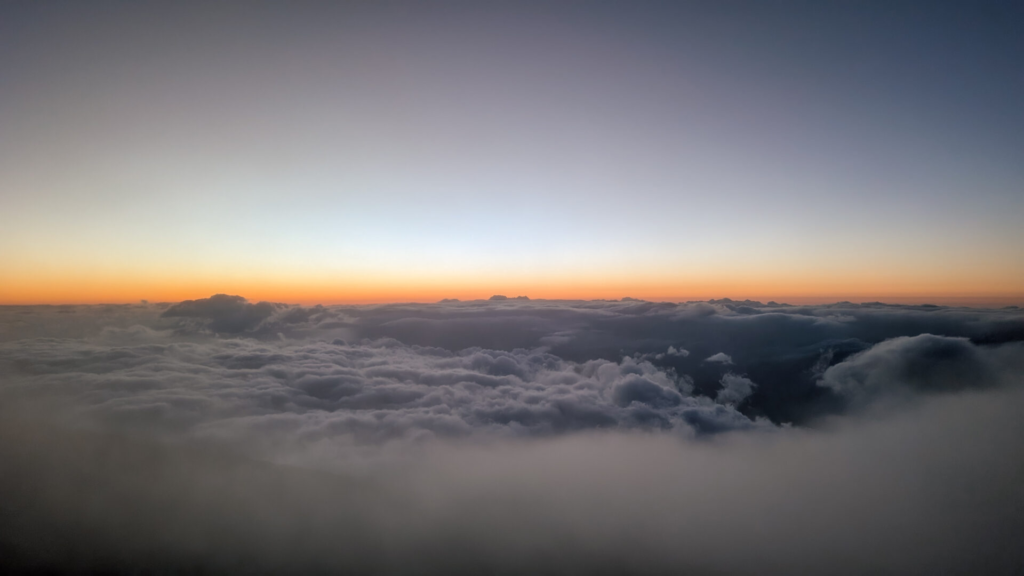
Watching the sunset from the 10,023-foot summit of Haleakala is the ultimate Maui itinerary hack. It’s easier to plan, doesn’t require advance reservations, and rewards you with a world-class stargazing show right after the sun dips below the horizon. Here is exactly how to conquer a Haleakala sunset like a pro.
Haleakala Timeline & Parking Battle
2-Hour Window
Don’t assume that Haleakala is a quick drive. Even from Kahului, it’s a 1.5 to 2-hour continuous uphill drive to reach the summit. If you are coming from the west or south side of Maui, you will need to add an additional 30 to 45 minutes to your drive. Don’t leave late; give yourself plenty of time for the drive. It’s long and slow, but timing the drive is crucial for the best experience.
Haleakala Parking Lots
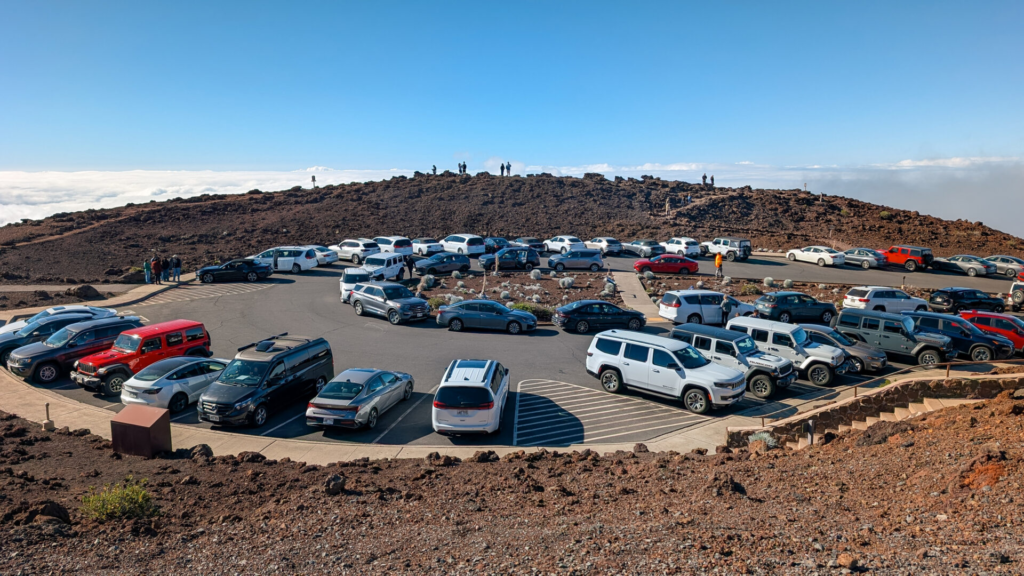
Why do you need to leave so early? It comes down to the parking situation; there is limited parking at the top of the mountain. While sunset doesn’t require a permit, it is still a busy and popular time to visit Haleakala. There are two primary places to park at the top, and they offer different experiences
- The Summit – This is at the tippy top, 10,023 feet. About 50 cars can park in this lot, with spaces both between the parking spaces and along the curb. If you want a front row seat to the sunset, you need to be here at least 1.5 to 2 hours BEFORE the sun sets. Once it’s full, park rangers will turn you away and direct you to a different lot or down the mountain.
- The Haleakala Visitor Center – The visitor center is located below the summit around 9,700 feet. This is a much larger lot, but if you want to visit the summit, you will have to hike a steep, thin-air trek uphill. There is an overlook at this parking lot though, so you won’t miss the sunset if you don’t go up to the summit. The visitor center was previously closed for renovations but has now reopened; however, it does close mid-afternoon, so it will not be accessible except for the bathrooms at sunset.
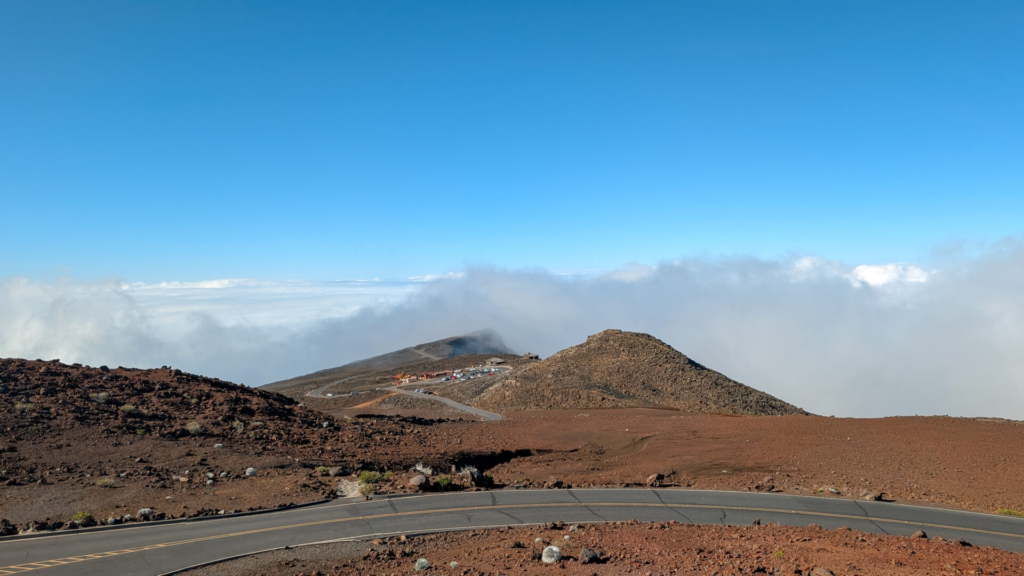
Between the two lots, there is a relatively short but intense walk from the visitor center to the summit. Due to the elevation, the hike can feel strenuous and slow. If you plan to park at the visitor center and still make the trek up to the summit, know that it will take you about 20 minutes each direction.
Haleakala Entry Fees & Amenities
Haleakala Park Entry
Haleakala National Park is open 24/7, and unlike sunrise, you do not currently need a special reservation for sunset. You will just need to pay the National Park vehicle fee at the entrance station. Make sure you have your credit card ready, as the park is completely cashless!
The private vehicle pass is $30 and valid for 3 days, so if you happen to be driving the Road to Hana, you can visit the Pipiwai Trail on the same pass.
If you have an America the Beautiful pass, entry is free; just make sure you have your pass and ID ready at the entrance station to keep the line of cars moving.
Heading out on the Road to Hana next? Check out these tips:
Driving Tips for The Road to Hana
Zero-Amenities Warning
Remember, you are heading to the top of a volcano; make sure you are treating the trip to the summit like a mini-expedition. Once you enter the park, there is no food and no gas available anywhere on the mountain. Make sure you bring food, snacks, and water for your trip, and don’t forget to fill up your gas tank before you start the drive!
Restrooms: There are absolutely no toilets at the true summit, but there are restrooms at the visitor center, so if you are at the summit, you will need to hike down and back up to use them.
Haleakala Weather & What to Pack
Volcanic Windchill
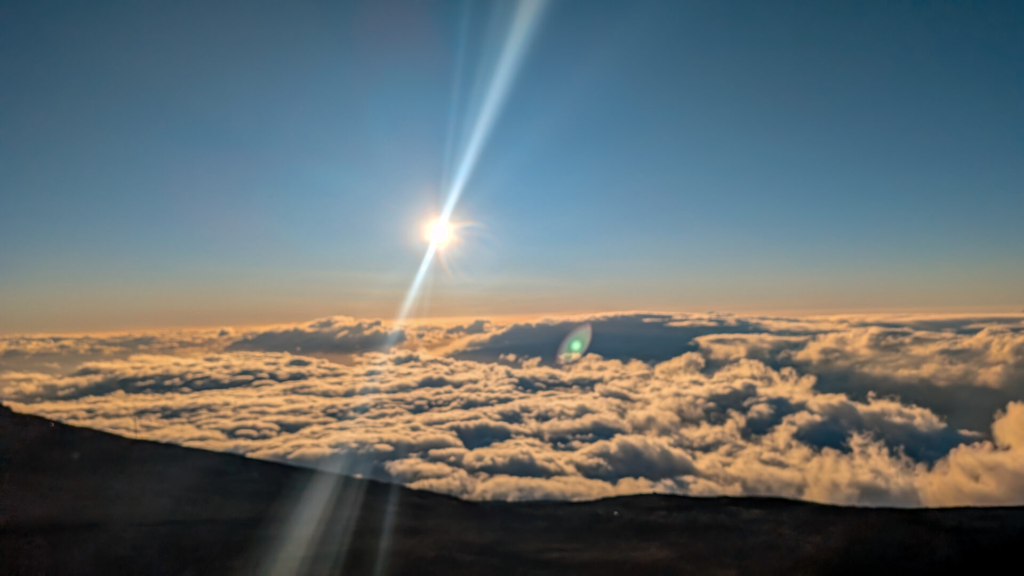
Surprise, volcanoes are actually pretty chilly. Don’t show up at the summit for sunset in shorts and flip-flops. While it is very warm down at sea level, the opposite is true at the top of Haleakala. It is often below 50 °F (10 °C), and don’t forget the wind above the clouds, which will make the temperature feel even more brutal. Make sure you are dressing like it’s winter, or you are going to be stuck sitting in your car.
Haleakala Packing Checklist
Make sure you bring all of these items with you for the best sunset experience:
- Pants & Layers: Long pants, closed-toed shoes, warm socks, a warm jacket, and a windbreaker. Do not bring a thin jacket that can’t block the wind! Seriously consider bringing gloves and a hat.
- Blanket & Towel: This sounds a little silly, but bring a blanket from your hotel to wrap around you while you wait; it’s honestly a game-changer. Don’t forget something to sit on as well; grab an extra towel so you don’t have to sit on the cold, dirty ground.
- Flashlight: Once the sun goes down, the summit is dark, and I mean pitch-dark inky blackness. Navigating back to your car can be a safety issue.
The Drive & The Aftershow
Check the Haleakala Summit Cameras
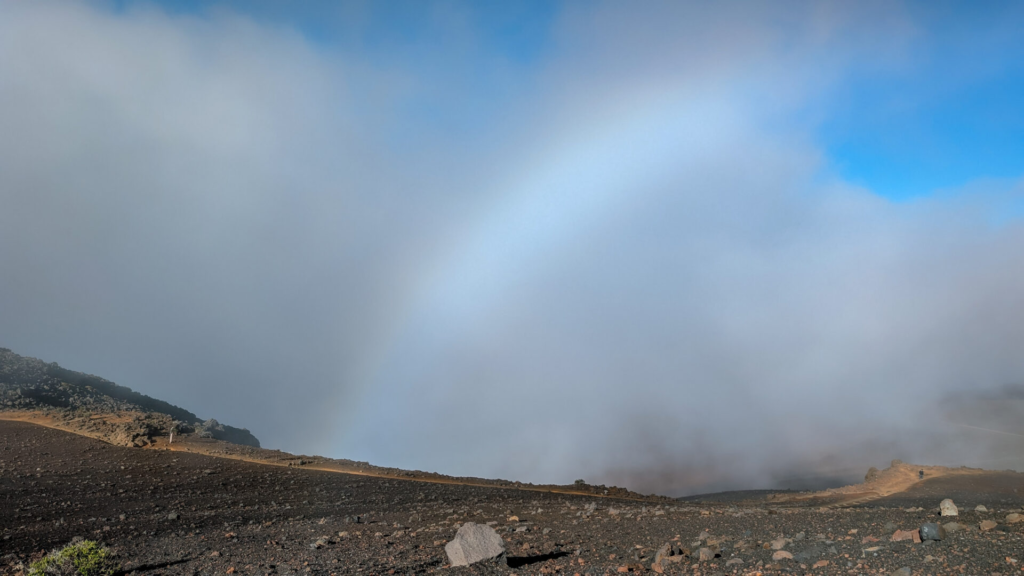
Before you even start your drive, check the official Haleakala National Park webcams. The weather on the mountain is unpredictable, and if the clouds look like they’re covering the summit, chances are it’s raining and foggy. Save yourself the time and gas and don’t make the trip if you are spending 4 hours driving up and down in foggy mist with no chance to actually see the sunset.
Surviving the Drive Down
Driving down the mountain will be arguably the most intense part of the expedition. There are 30 miles of switchbacks with zero lighting. To make things even more intense, fog and clouds often roll across the roads, significantly reducing visibility. Put your car in low gear on the way down to avoid overheating your brakes.
Stick Around for the Stars
Most of the crowd at the summit will leave as soon as the sun dips below the clouds; they want to start the drive down as soon as possible and grab some dinner. However, they will also be stuck in slow, bumper-to-bumper traffic on those 30 miles of switchbacks.
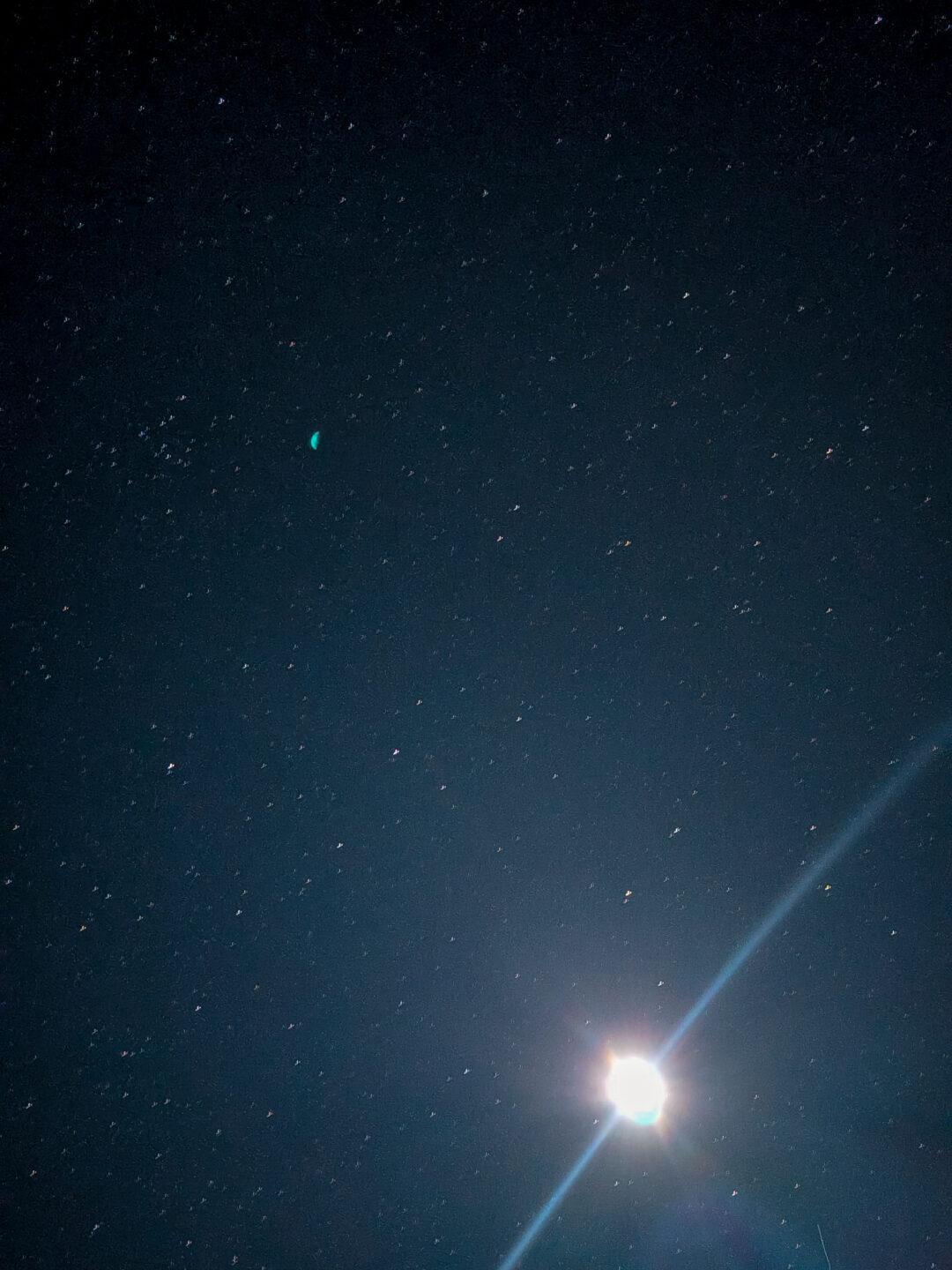
The real hack is to hang out in your car at the summit for 20-30 minutes and wait until it gets pitch-black. Because Halakala sits so far from major light pollution and above the cloud layer, it is one of the best places on earth for stargazing! You will have a crystal clear view of the Milky Way not long after sunset, and you won’t have to fight the traffic down the mountain. A win-win all around.
Final Timeline & Checklist
- The Last Gas & Snack Stop – 3.5 to 4 hours before sunset
- Fill up your tank, grab some food, and start heading towards the mountain.
- The Park Entrance Station – 2 hours before sunset
- Arrive at the park entrance and either pay the $30 fee or present your America the Beautiful Pass. The drive from the entrance to the summit takes about 30-40 minutes.
- Summit Parking – 1.5 hours before sunset
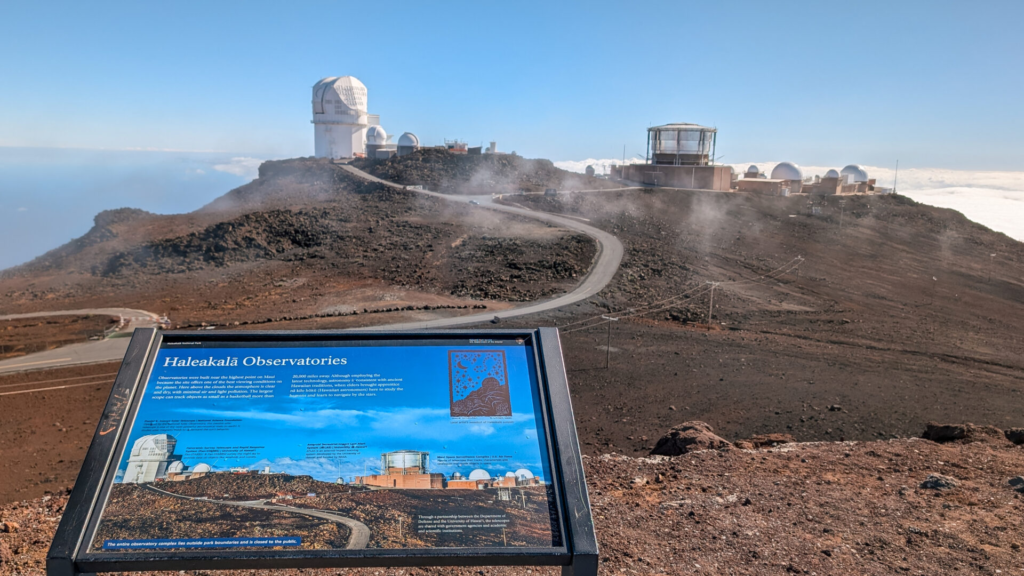
- Park at the summit and explore the area, including the crater. Give yourself plenty of time if you need to walk down to the Visitor Center to use the bathroom.
- Golden Hour & The Show – 30 minutes before sunset
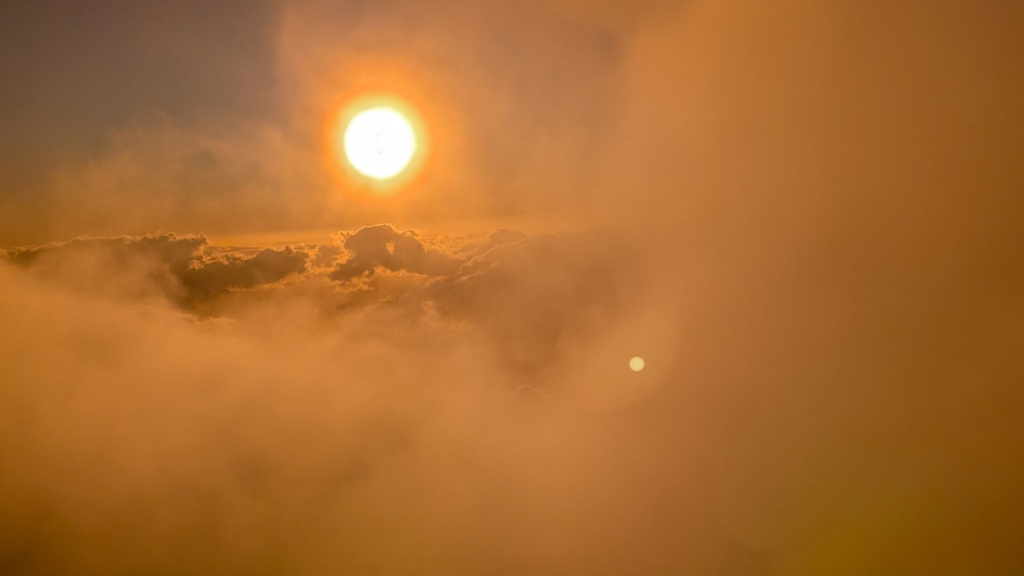
- Get your layers on, grab your blanket and towel, and find a spot on the west side of the volcano. Watch as the sky turns fiery red as the sun sets!
- Stargazing – 30 minutes post-sunset
- Hang out in your car and warm up before the aftershow! Check out the stars and the Milky Way before starting your journey down the mountain